Housing • Dignity • Mental Health • Fiscal Responsibility
Aleviate houselessness and Homelessness
A practical, fiscally responsible plan to address homelessness and housing instability by investing in dignity, ownership, and comprehensive support services — while strengthening communities statewide.
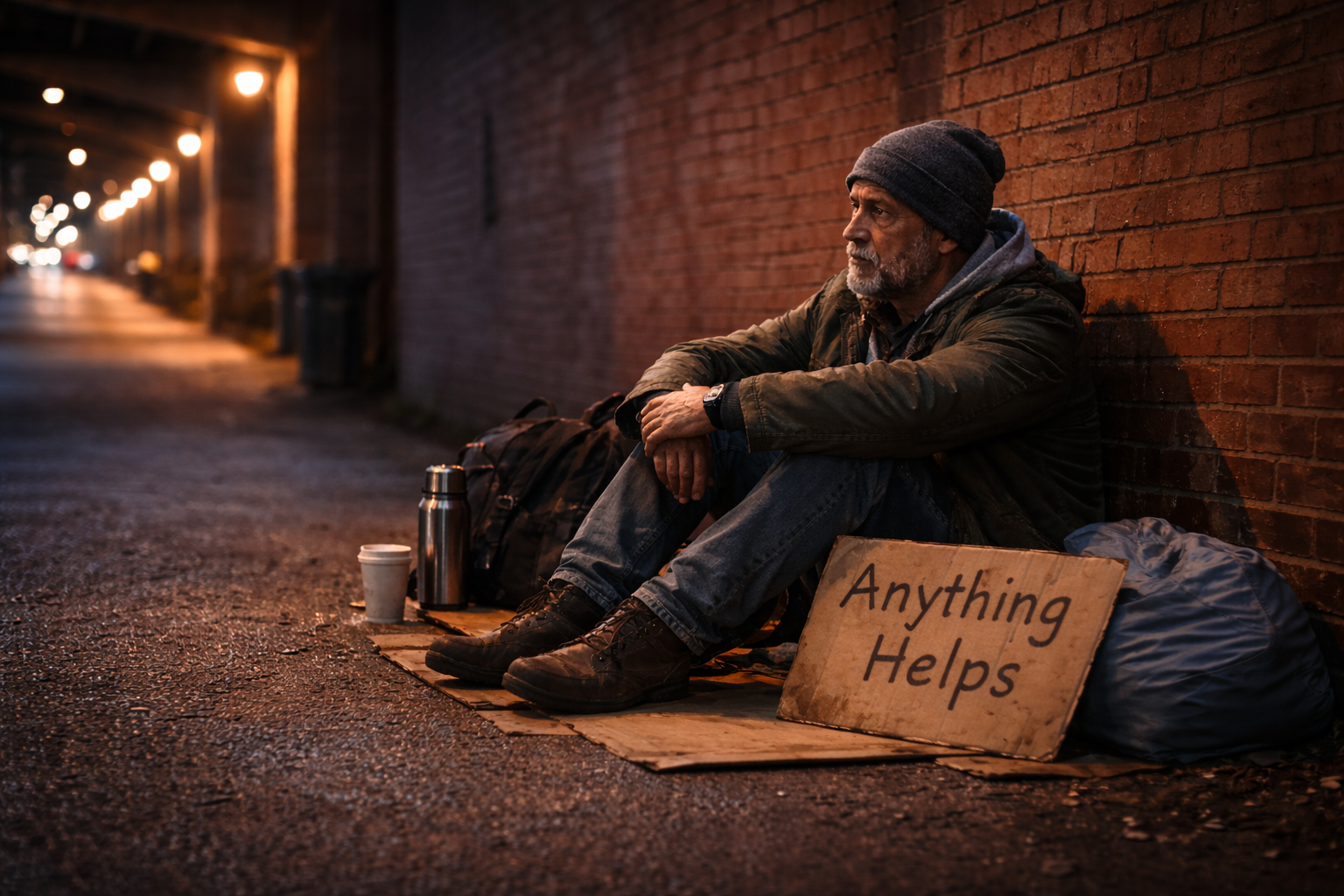
Too many New Mexicans are living without stable housing — not because they refuse to work, but because housing costs, limited options, and a lack of coordinated support have pushed them to the margins. This plan uses smart investments, existing resources, and proven community models to provide dignified housing, restore stability, and address the mental health and social needs that make lasting solutions possible.
One major challenge facing many cities and residents is people who can’t afford a home, live in rundown rental units, or are without a home. The state must take the lead in this area by providing the financial resources and expertise necessary to address the issue effectively. Our cities and counties often lack the discretionary funds needed to create facilities with the essential amenities to support individuals in these difficult circumstances. In reviewing the state’s $10.8 billion operating budget, I identified an opportunity for a potential 10% savings through service streamlining and one-time investments, all while maintaining essential services with no layoffs or job reductions. This 10%, amounting to $1.8 billion, that could be redirected toward enhancing services and addressing challenges such as houseless, homelessness, crime reduction, and mental health.
Consider an individual living in a motel as their primary residence or paying rent for a unit that is rundown or lacks functioning heating or air conditioning. Renting on a weekly or monthly basis typically costs around $250 per week or $1,000 per month. Imagine if the state could build and sell them a housing unit for $150,000. With a ZERO down payment ($0), a 30-year mortgage at a 7% interest rate, the monthly payment would be roughly equivalent to their current motel costs or rental costs. This strategy would offer two key advantages: First, it would provide ownership and the potential for equity appreciation; Second, it would create a dignified living environment with necessary amenities for their families.
I’d like to clarify a few points: First, my proposal is not about giving away housing, but rather about selling these units at cost. Second, the 7% figure refers to the return that the state investment council aims to achieve through its investments. This demonstrates another method for the state to assist residents who can manage modest housing payments, enabling them to own their own home for a monthly cost comparable to that of a motel room. Consider the potential for construction jobs, real estate opportunities, and more that this initiative could create across the state! I believe this represents a valuable investment in the people of New Mexico, utilizing tax dollars contributed by New Mexico residents.
I would like to take a moment to express my sincere gratitude to the director of the Mesilla Valley Community of Hope. During their visits to Las Cruces, various H.U.D. Regional administrators often noted that the Community of Hope should be considered a model for the entire state, and I completely concur. This community area is situated on city-owned property, includes a health care clinic, food pantry, soup kitchen, and a child-care center. Furthermore, it offers the Mano y Mano Day Labor program, which connects homeless and near-homeless adults with daily job placement opportunities, alongside a case management system designed to assist residents in achieving permanent housing as their ultimate objective.
The state might explore the idea of “trading” land in different cities and counties across New Mexico, especially in larger urban areas, to create community living spaces and support housing solutions statewide. This initiative could be a significant step toward ensuring that the homeless and near-homeless do not have to reside in parks and parking lots in our cities. Instead, they could find refuge in a compassionate community that is safe, clean, and supportive of their circumstances, much like the Community of Hope.
In conclusion, while providing housing for our houseless or homeless populations is an essential first step, it is equally important to ensure that 24-hour mental health and social services are accessible nearby. This support is crucial for helping individuals reintegrate into society with responsibility and dignity.
Join the Facebook conversation
Follow the campaign page for updates.